**The U.S. Economy and FinTech Sectors: Navigating Uncertainty**
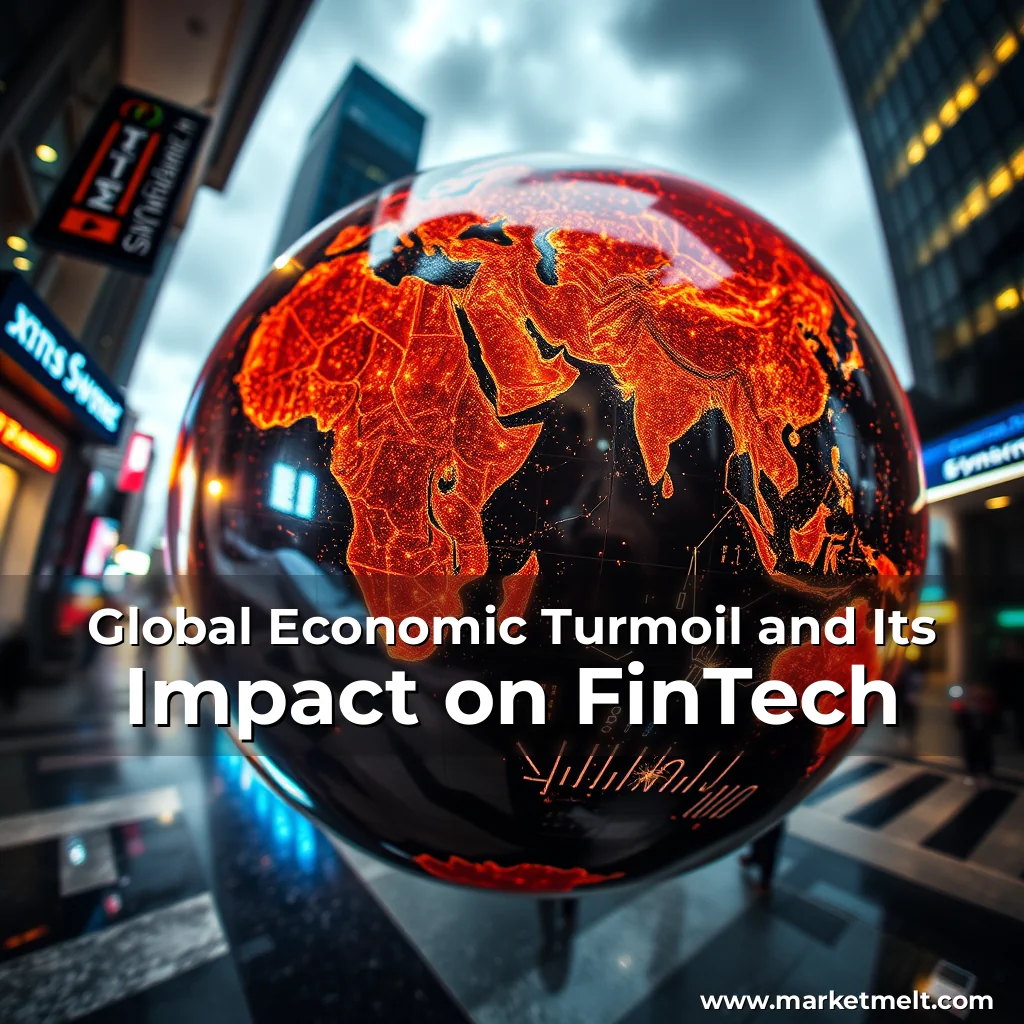
The world of FinTech is closely tied to the state of the global economy, and the recent economic downturn has sent shockwaves throughout the industry. As the U.S. economy continues to reel from President Donald Trump’s tariff announcements, speculation about their impact on the banking and FinTech sectors has reached a fever pitch.
Stock Market Reactions
The stock market has been a clear indicator of the turmoil, with FinTech stocks facing significant challenges since the tariffs were announced. However, FinTech stocks have staged a rally late Monday, indicating that investors saw utility in their business models during a time of economic uncertainty. *
- FinTech stocks, particularly those in the buy-now-pay-later (BNPL) space, have faced significant challenges since the tariffs were announced.
- Other FinTechs showed a similar pattern of rebounding on Monday, indicating that investors saw utility in their business models during a time of economic uncertainty.
- PayPal and Block have defied the market’s 300-point drop, with PayPal rising from $56 to $58.37 and Block opening at $46 and rising to $50.47.
Expert Insights
Larry Fink, CEO of BlackRock, said that many business leaders believe the U.S. economy is already in a significant downturn. “Most CEOs I talk to would say we are probably in a recession right now,” Fink said at an event for the Economic Club of New York, according to CNBC.
Regulatory Pressures and Economic Uncertainty
Analysts remain cautious about FinTech growth prospects, citing economic uncertainty and regulatory pressures. Despite this, there is optimism about the sector’s long-term potential, driven by innovations in artificial intelligence and blockchain, as well as a robust employment market and receding inflation. *
- Analysts suggest that the volatile market conditions and fears of a global recession are deterring companies from going public, as investors become more risk-averse.
- Even with the improved market sentiment we’ve seen, investors are going to continue scrutinizing deals carefully, according to Josef Schuster, IPOX CEO.
The Banking Sector’s Performance
The banking sector has also been affected by the economic downturn, with major banks like Bank of America, JPMorgan Chase, and Wells Fargo seeing their shares decline substantially. Regional banks, in particular, are feeling the pain, with the KBW Regional Banking Index slumping 13% following the tariff announcements. *
| Bank | Year-to-Date Stock Price Change |
|---|---|
| Bank of America | 21.8% |
| JPMorgan Chase | (no data available) |
| Wells Fargo | (no data available) |
Consumer and Business Impact
The impact of tariffs extends beyond the financial sector, affecting consumers and businesses alike. Americans’ financial confidence has already been shaken, with most consumers reducing spending or opting for cheaper products. This pullback is linked to concerns about persistent inflation and a possible recession, even before the full impact of these policies has been felt. *
“Even before the full impact of these policies has been felt, consumers are already reducing spending or opting for cheaper products.” – PYMNTS Intelligence
Looking Ahead
As the economic situation continues to evolve, it’s essential to monitor the impact of tariffs on the FinTech sector and the broader economy. With the potential for a global recession, the industry must adapt and innovate to ensure its long-term growth and survival. By understanding the complexities of the current economic landscape, we can navigate the challenges ahead and emerge stronger and more resilient.