The Casino Environment of Speculative Trading
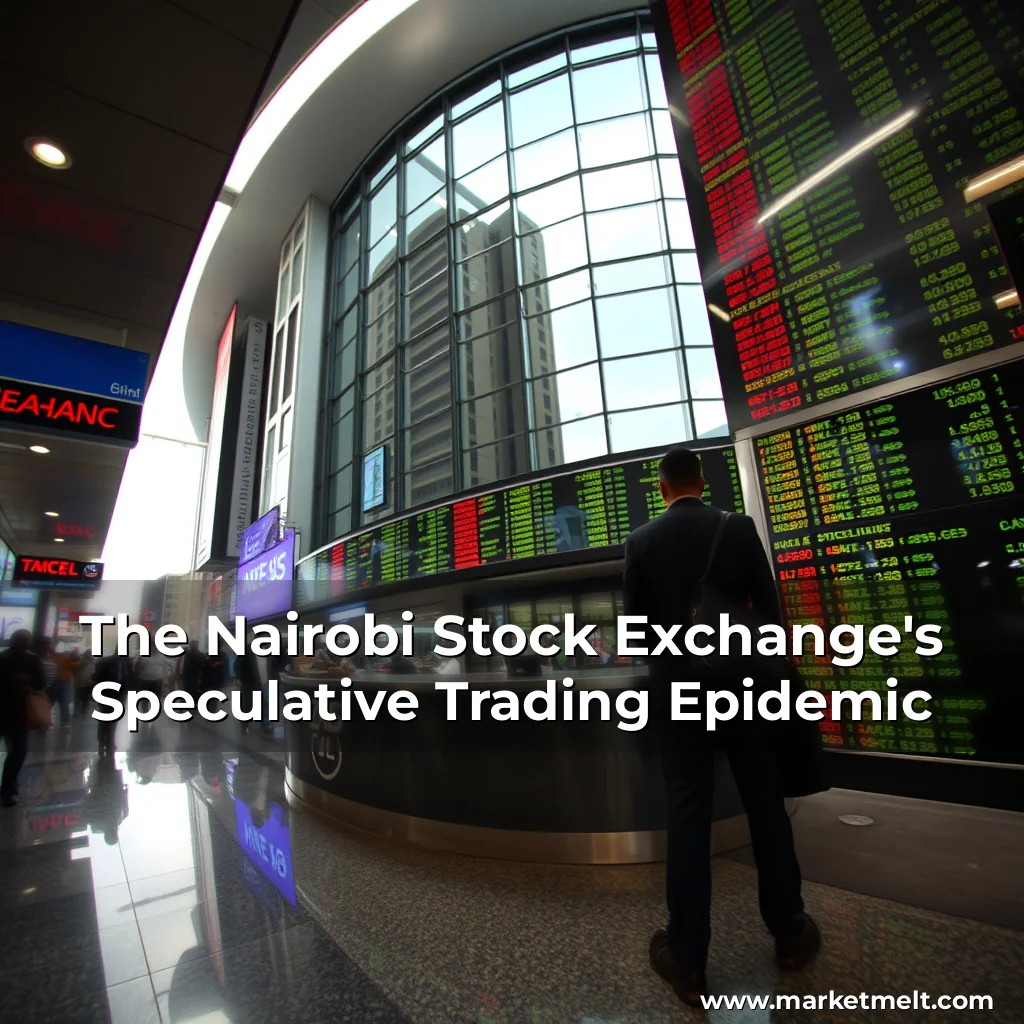
Speculative trading on the Nairobi Stock Exchange (NSE) has become a hot topic in recent weeks, particularly among small-cap stocks that have seen significant price increases. This phenomenon bears striking similarities to a casino environment where investors gamble on stock prices rather than making informed decisions based on company performance. The speculative trading in the NSE has led to a “high degree of unpredictability,” where investors are more focused on short-term gains than long-term fundamentals. This environment is often driven by factors such as:
*
- Insider trading
- Low liquidity in small-cap stocks
- Economic uncertainty
- Accessibility of online trading platforms and social media
- Global trends and regulatory gaps
These factors contribute to a self-reinforcing cycle of speculation, where rapid price increases attract more speculative traders, leading to further price volatility.
Impact on Small-Cap Stocks
The speculative trading in small-cap stocks has significant implications for the NSE and its investors. Some of the key effects include:
*
- Price volatility: Speculation can lead to rapid price increases, which may not reflect the true financial health of the company.
- Risk of collapse: When speculation wanes, prices can plummet, resulting in significant losses for investors.
- Systemic risk: Excessive speculation can destabilize the broader financial system if leveraged positions unravel.
The Challenges of Managing Speculative Trading
The NSE faces several challenges in managing speculative trading, including:
*
| Regulatory challenges | Monitoring and enforcement | Market psychology and herd behavior | Lack of investor education | Technological challenges | Economic and market conditions | |
| Regulatory challenges | The Capital Markets Authority (CMA) faces difficulties in monitoring real-time trading activities, especially when speculation is fueled by social media and informal networks. | Enforcement actions against market manipulation can be slow or ineffective. | Market psychology and herd behavior can spread rumors or “hot tips” rapidly. | Investor education is often lacking, leading to risky trading practices. | Technological challenges, such as high-speed trading algorithms, can amplify speculative trends. | Economic uncertainty can exacerbate market volatility. |
Risks of Speculative Trading
The risks associated with speculative trading are numerous and can have severe consequences for investors and the NSE as a whole. Some of the key risks include:
*
- Investor losses
- Market distortion
- Erosion of trust
- Systemic risk
Policies and Regulations to Protect Investors
Kenya’s Capital Markets Authority (CMA) and NSE have implemented several frameworks to curb speculation, including:
*
- Market surveillance
- Circuit breakers
- Investor education
- Penalties for manipulation
However, challenges persist due to limited resources, light penalties, and consequences for the NSE.
The Do’s and Don’ts of Speculative Trading
Retail investors can protect themselves from speculative trading by following these guidelines:
*
- DO: Research, diversify, set stop-loss limits, and follow regulators.
- DON’T: Follow the herd, leverage excessively, ignore fundamentals, and fall for “get rich quick” schemes.
By prioritizing due diligence over hype and understanding the risks associated with speculative trading, retail investors can avoid becoming collateral damage in the “casino” environment of the NSE. The Nairobi Stock Exchange’s Speculative Trading Epidemic
=====================================================
The Nairobi Stock Exchange’s Speculative Trading Epidemic
The Casino Environment of Speculative Trading
Speculative trading on the Nairobi Stock Exchange (NSE) has become a hot topic in recent weeks, particularly among small-cap stocks that have seen significant price increases. This environment is often driven by factors such as:
* Insider trading
* Low liquidity in small-cap stocks
* Economic uncertainty
* Accessibility of online trading platforms and social media
* Global trends and regulatory gaps
These factors contribute to a self-reinforcing cycle of speculation, where rapid price increases attract more speculative traders, leading to further price volatility. Some of the key effects include:
* Price volatility: Speculation can lead to rapid price increases, which may not reflect the true financial health of the company. * Risk of collapse: When speculation wanes, prices can plummet, resulting in significant losses for investors. * Systemic risk: Excessive speculation can destabilize the broader financial system if leveraged positions unravel.
The Challenges of Managing Speculative Trading
The NSE faces several challenges in managing speculative trading, including:
* Regulatory challenges
* Monitoring and enforcement
* Market psychology and herd behavior
* Lack of investor education
* Technological challenges
* Economic and market conditions
These challenges hinder the NSE’s ability to effectively track and respond to speculative trading patterns, and the lack of resources can lead to ineffective enforcement actions.
Risks of Speculative Trading
The risks associated with speculative trading are numerous and can have severe consequences for investors and the NSE as a whole. Some of the key risks include:
* Investor losses
* Market distortion
* Erosion of trust
* Systemic risk
Policies and Regulations to Protect Investors
Kenya’s Capital Markets Authority (CMA) and NSE have implemented several frameworks to curb speculation, including:
* Market surveillance
* Circuit breakers
* Investor education
* Penalties for manipulation
However, challenges persist due to limited resources, light penalties, and consequences for the NSE.
The Do’s and Don’ts of Speculative Trading
Retail investors can protect themselves from speculative trading by following these guidelines:
* Research: Analyze a company’s financials, management, and industry position. * Diversify: Avoid putting all funds into volatile small caps. * Set stop-loss limits: Automatically sell if prices fall below a threshold. * Follow regulators: Monitor CMA/NSE alerts on suspicious trading. By prioritizing due diligence over hype and understanding the risks associated with speculative trading, retail investors can avoid becoming collateral damage in the “casino” environment of the NSE. Strengthening enforcement, enhancing investor education, and promoting transparency in small-cap reporting are critical to balancing innovation and stability. Retail investors must prioritize due diligence over hype to avoid becoming collateral damage in the “casino” environment of the NSE.